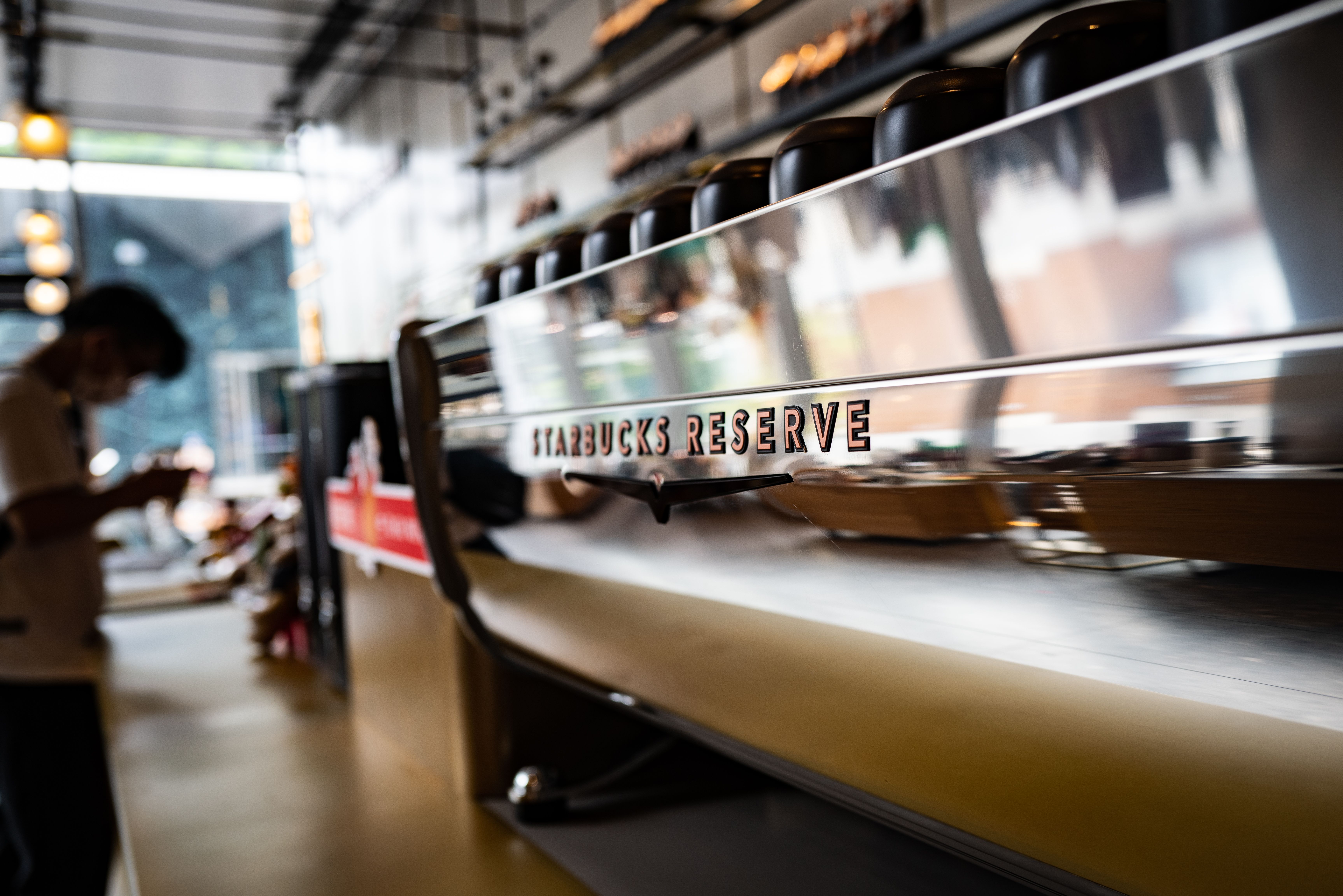
Starbucks spent nine months running an AI inventory app called NomadGo. It was supposed to track stock levels and automate ordering. The idea was to save managers time, reduce waste, and keep milk in the fridge.
It didn’t work.
“It started off not particularly accurate and got less accurate over time,” a Starbucks shift supervisor told Fortune.
So Starbucks pulled it.
This is being reported as a technology story. It’s actually a leadership story.
The Tool Was Solving the Wrong Problem
NomadGo was designed to do what a well-staffed, well-supported store manager already does. Also, humans do it better.
A manager who knows their store, knows the location, and they understand nuance. If they’re near a university, their customers move differently in May than they do in January. They know which products will spike before a holiday weekend. They know the neighborhood. They understand the ebb and flow. It’s unique.
An inventory algorithm doesn’t understand nuance. It can’t see trends at the college right before they go viral. AI pattern-matches on historical data and calls it intelligence.
The real problem wasn’t inventory accuracy. It was that managers didn’t have enough payroll hours to get off the floor and do the job properly. It’s hard to run a business when you’re on a register or making drinks all day. Being stuck in a customer service role, and not being able to get to the back for an inventory count, is a resource problem. AI just added a layer of noise on top of it. It was one more thing to be managed.
Frontline Workers Knew
This is the part that doesn’t make the headlines.
Somewhere in Starbucks’ organization, shift supervisors and store managers already understood that this tool wasn’t going to hold up. They work the floor. They see what actually moves product, what creates waste, what breaks down in execution.
But there was no structured channel for that intelligence to travel up. There rarely is.
Retailers consistently underinvest in the systems that turn frontline observation into operational decisions. Instead, they invest in technology that promises to replace the need for those systems entirely.
That’s the pattern. It repeats because the root cause — a leadership culture that doesn’t treat frontline input as data — never gets addressed.
What People-First Leadership Actually Looks Like in Operations
Let me give you a hint: it’s not an engagement survey sent once a year.
It looks like this:
- Store managers have enough hours to observe, not just execute
- Frontline workers have a real mechanism to flag operational problems before they become expensive ones
- Technology decisions include field input before deployment, not after failure
None of that is complicated. All of it requires treating your frontline as a source of competitive intelligence rather than a cost to be optimized.
Starbucks is not alone here. This is an industry-wide failure of leadership infrastructure — and it’s why retailers keep cycling through the same expensive mistakes.
The Cost of Not Listening
NomadGo wasn’t free. The integration, the rollout, the nine months of degrading accuracy cost real money.
Compare that to the cost of giving a store manager ten additional payroll hours a week to focus on inventory. Or building a simple feedback loop so field teams can surface problems before they become pilot failures.
The math isn’t complicated. The prioritization is the problem.
Retailers are going to keep chasing technology that promises to eliminate the need for skilled, supported, listened-to frontline teams. And they’re going to keep getting the same results.
The ones that figure out how to actually use the intelligence already inside their stores? They’re going to be very hard to compete with.
Kit Campoy is a retail writer, speaker, and 25-year frontline veteran.